
Keyword Research Tools Guide

In this article, we will learn about Keyword Research Tools. And how to search keywords for your own business step by step.
A brief Introduction to Keyword Research Tools-
Keyword Research Tools are the backbone of Search Engine Optimization (SEO). Without proper keyword research, even the most well-written content may fail to rank on search engines like Google. Keyword research helps website owners, bloggers, digital marketers, and businesses understand what users are searching for, how often they search, and how competitive those keywords are.
In simple terms, keyword research tools help you find the right words and phrases that people type into search engines. These tools provide valuable data such as search volume, keyword difficulty, competition level, cost-per-click (CPC), trends, and user intent.
In this in-depth guide, you will learn:
- What keyword research tools are
- Why keyword research is important for SEO
- Types of keywords
- Free and paid keyword research tools
- Detailed explanations of top keyword research tools
- Advanced keyword research strategies
- Common mistakes to avoid
- How to choose the best keyword research tool
This article is 100% SEO-friendly, user-focused, and designed to help you dominate search results.
What are Keyword Research Tools?
Keyword Research Tools are online software or platforms that help identify:
- Search queries users enter into search engines
- Keyword popularity (search volume)
- Ranking difficulty
- Competition level
- Related keyword suggestions
- Trends and seasonality
- Search intent (informational, navigational, transactional)
These tools allow you to optimize content strategically, ensuring that your pages target keywords with high potential for ranking and conversions.
Why Keyword Research Is Important for SEO?
Whether you are a digital marketer or a businessman, these are some of the main topics you need to know about.
Keyword research is not optional—it is essential. Here’s why:
1. Improves Search Engine Rankings
Targeting the right keywords increases your chances of appearing on the first page of Google.
2. Drives Targeted Traffic
Keyword research ensures your content reaches users who are actively searching for your products, services, or information.
3. Understands User Intent
Good keyword research aligns content with what users actually want.
4. Competitive Advantage
Analyzing competitor keywords helps you outrank them.
5. Increases Conversions
Targeting transactional and commercial intent keywords improves sales and leads.
Types of Keywords in SEO-
Before using keyword research tools, you must understand keyword types:
1. Short-Tail Keywords
- Example: “SEO”
- High volume, high competition
2. Long-Tail Keywords
- Example: “best keyword research tools for beginners”
- Lower competition, higher conversion rate
3. Informational Keywords
- “What is keyword research?”
4. Navigational Keywords
- “Google Search Console login”
5. Transactional Keywords
- “Buy SEO tools online”
6. Commercial Investigation Keywords
- “Ahrefs vs SEMrush”
Keyword research tools help identify all these keyword types.
Best Keyword Research Tools (Free & Paid)
Below is a detailed explanation of the best keyword research tools used by SEO professionals worldwide.
1. Google Search Console (Free Keyword Research Tool)
What Is Google Search Console?
Google Search Console (GSC) is a free tool by Google that helps website owners monitor performance in Google Search results.
Keyword Research Features:
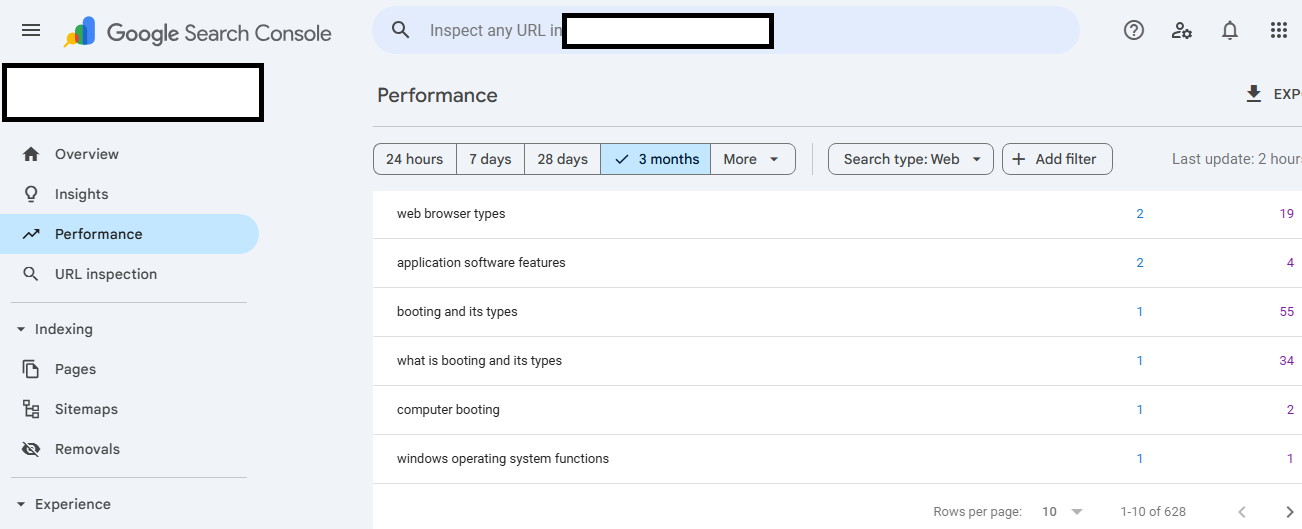
- Queries users searched to find your site
- Impressions, clicks, CTR, and average position
- Page-level keyword performance
- Device and country-based keyword data
How to Use Google Search Console for Keyword Research:
- Go to Performance → Search Results
- Analyze top-performing queries
- Find keywords ranking on pages 2–3
- Optimize content to improve rankings
Pros:
- 100% free
- Real Google data
- Best for existing websites
Cons:
- Limited keyword suggestions
- No competitor keyword data
Best Use Case: Content optimization & keyword gap analysis
The diagram below.
2. Google Trends (Free Keyword Trend Analysis Tool)
What Is Google Trends?
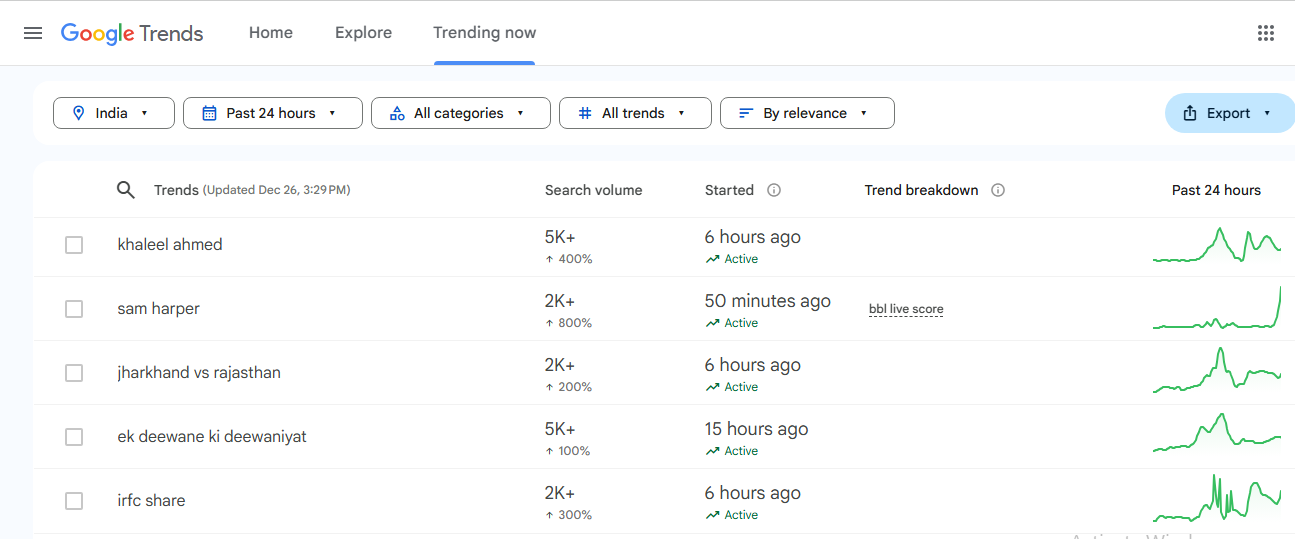
Google Trends shows keyword popularity over time and across regions.
Key Features:
- Keyword trend analysis
- Seasonal keyword detection
- Comparison between multiple keywords
- Regional interest data
How Google Trends Helps SEO:
- Identifies trending keywords
- Avoids declining topics
- Optimizes content timing
Example:
Comparing “AI tools” vs “SEO tools” shows future growth opportunities.
Pros:
- Free
- Real-time trend data
- Excellent for content planning
Cons:
- No exact search volume
- Limited keyword depth
3. Ahrefs Keyword Explorer (Paid Tool)
This is a paid tool.
What Is Ahrefs?
Ahrefs is one of the most powerful SEO keyword research tools available.
Key Features:
- Keyword difficulty score
- Search volume (global & local)
- Click metrics
- Parent topic analysis
- SERP overview
- Competitor keyword research
Why Ahrefs Is Popular:
- Largest keyword database
- Accurate backlink & keyword data
- Excellent competitor analysis
Pros:
- Highly accurate data
- Advanced SEO metrics
- Great for professionals
Cons:
- Expensive
- Steep learning curve
4. SEMrush Keyword Research Tool
What Is SEMrush?
SEMrush is an all-in-one digital marketing tool widely used for SEO, PPC, and content marketing.
Keyword Research Features:
- Keyword Magic Tool
- Keyword difficulty
- CPC & competition
- SERP features analysis
- Competitor keyword tracking
Unique Advantages:
- PPC & SEO integration
- Content optimization suggestions
- Keyword intent analysis
Pros:
- Powerful keyword database
- Excellent UI
- Ideal for agencies
Cons:
- Paid tool
- Data overload for beginners
5. Ubersuggest (Freemium Tool)
What Is Ubersuggest?
Ubersuggest is a beginner-friendly keyword research tool by Neil Patel.
Key Features:
- Keyword ideas
- SEO difficulty
- Search volume
- Content ideas
- Backlink overview
Why Beginners Love It:
- Easy interface
- Affordable pricing
- Good for bloggers & small websites
Pros:
- Low cost
- Simple UI
- Decent keyword data
Cons:
- Limited free searches
- Less accurate than Ahrefs/SEMrush
6. Keywordtool.io
What Is Keywordtool.io?
Keywordtool.io generates long-tail keyword suggestions using autocomplete data from Google, YouTube, Amazon, and Bing.
Key Features:
- Long-tail keyword ideas
- Platform-specific keywords
- Multilingual support
Best For:
- Blog topic ideas
- YouTube SEO
- E-commerce keyword research
Pros:
- Excellent long-tail keywords
- Multiple platforms
- No login needed for basic use
Cons:
- Limited free version
- No difficulty metrics
Additional Important Keyword Research Tools
7. Google Keyword Planner
- Free with Google Ads
- Best for PPC & SEO
- Provides CPC and competition
8. Answer The Public
- Visual keyword questions
- Ideal for blog ideas & FAQs
9. Moz Keyword Explorer
- Keyword difficulty
- SERP analysis
- Priority score
10. SpyFu
- Competitor keyword spying
- PPC keyword insights
Advanced Keyword Research Strategies
1. Keyword Gap Analysis
Find keywords your competitors rank for, but you don’t.
2. Search Intent Optimization
Match keywords with content intent.
3. Topic Clustering
Group related keywords into content silos.
4. Long-Tail Keyword Targeting
Lower competition, higher conversions.
5. SERP Feature Optimization
Target featured snippets, FAQs, and People Also Ask.
Common Keyword Research Mistakes to Avoid
- Targeting high-competition keywords only
- Ignoring search intent
- Overlooking long-tail keywords
- Keyword stuffing
- Not updating keyword research regularly
How to Choose the Best Keyword Research Tool
Choose based on:
- Budget
- Skill level
- Website size
- SEO goals
| User Type | Recommended Tool (Only Suggest) |
|---|---|
| Beginners | Ubersuggest |
| Bloggers | Keywordtool.io |
| Professionals | Ahrefs / SEMrush |
| Free Users | Google Search Console + Google Trends |
And much more, in the next topic, we will learn how to use Google Keyword Planner and understand the complete process of login, sign-in, and use Google Keyword Planner.
Conclusion
Keyword Research Tools are the foundation of every successful SEO strategy. Whether you use Google Search Console, Google Trends, Ahrefs, SEMrush, Ubersuggest, or Keywordtool.io, the goal remains the same—to understand your audience and optimize content accordingly.
By using the right keyword research tools and strategies, you can:
- Rank higher on Google
- Drive targeted traffic
- Increase conversions
- Build long-term SEO authority
Invest time in keyword research today, and your website will reap benefits for years to come.
Leave a Comment
Your email address will not be published. Required fields are marked *
Related Post
Git & GitHub Version Control Tutorial for Beginners
Learn Git & GitHub Version Control with this complete beginner-to-advanced guide. Understand Git commands, repositories, branching, merging,
CI/CD Pipelines Complete Guide – Continuous Integration
Learn everything about CI/CD Pipelines in this complete guide. Understand Continuous Integration, Continuous Deployment.
DevOps: Ultimate Guide to DevOps Practices, Tools
Explore the complete DevOps guide for 2026. Learn DevOps practices, tools, benefits, CI/CD pipelines, automation, culture, and more.
What is Cloud Platforms? Types, Benefits
Learn everything about Cloud Platforms. Understand cloud computing platforms, types, benefits, services, use cases, security, and future trends.
Encryption: Types, Algorithms, Security and Data Encryption
Learn everything about Encryption in this complete guide. Understand what encryption is, types of encryption, algorithms, advantages, data security.
Ethical Hacking: Complete Guide, Tools, Techniques
Learn Ethical Hacking in this complete guide. Understand ethical hackers, types, tools, techniques, and cybersecurity best practices.
Network Security and Firewalls – Types, Architecture
Learn Network Security & Firewalls in detail. This complete guide covers concepts, types of firewalls, architecture, security threats, and more.
Network Routing and Switching – Types, Protocols & Working
Learn everything about Network Routing and Switching. Understand concepts, types, protocols, devices, differences, advantages, and more.
IP Addressing - IPv4, IPv6, Working, Types, Structure, Security
Internet Protocol (IP) is the foundation of the internet. Learn everything about IP, including IPv4, IPv6, IP addressing, packet delivery, and more.
Transmission Control Protocol (TCP) - Working, Features, Use
Learn everything about Transmission Control Protocol (TCP) in this complete SEO-friendly guide. Understand TCP definition, and more.