
Network Routing and Switching
In today’s digital world, computer networks are the backbone of communication, data sharing, cloud computing, and the internet. Two fundamental technologies that make computer networking possible are Routing and Switching. Together, they form the core of how data travels efficiently and securely across local networks and the global internet.
Network Routing & Switching refers to the processes and technologies used to forward data packets from one device to another, whether within a local area network (LAN) or across wide area networks (WANs). Without routing and switching, modern communication systems such as email, video calls, online banking, cloud services, and IoT would not function.
What is Network Switching?
Definition of Switching
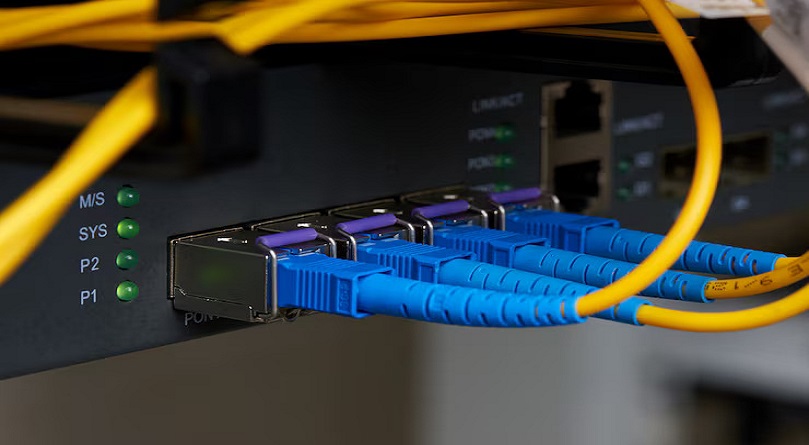
Network Switching is the process of forwarding data packets between devices within the same network. Switching primarily operates inside a Local Area Network (LAN) and uses a device called a network switch.
A switch connects multiple devices such as computers, printers, servers, and access points and ensures that data reaches the correct destination efficiently.
How Switching Works
Switches operate mainly at the Data Link Layer (Layer 2) of the OSI model, although modern switches can also operate at Layer 3.
The switching process involves:
- Receiving a data frame
- Reading the MAC address
- Checking the MAC address table
- Forwarding the frame to the correct port
If the destination MAC address is unknown, the switch performs flooding by sending the frame to all ports except the source port.
Types of Network Switching
1. Circuit Switching
Circuit switching establishes a dedicated communication path between sender and receiver.
Examples:
- Traditional telephone networks (PSTN)
Advantages:
- Guaranteed bandwidth
- Predictable performance
Disadvantages:
- Inefficient resource usage
- Not suitable for data networks
2. Packet Switching
Packet switching breaks data into small packets and sends them independently.
Examples:
- Internet communication
- Ethernet networks
Advantages:
- Efficient bandwidth usage
- Supports multiple connections
Disadvantages:
- Possible packet loss or delay
3. Message Switching
Message switching sends the entire message and stores it before forwarding.
Advantages:
- No dedicated path required
Disadvantages:
- High delay
- Mostly obsolete
What is Network Routing?
Definition of Routing
Network Routing is the process of selecting the best path for data packets to travel from a source network to a destination network. Routing occurs between different networks using a device called a router.
Routers operate primarily at the Network Layer (Layer 3) of the OSI model and use IP addresses to forward packets.
How Routing Works
Routing involves the following steps:
- A packet is received by the router
- The router reads the destination IP address
- The routing table is checked
- The best path is selected
- The packet is forwarded to the next hop
Routers continuously update their routing tables using routing protocols.
Types of Routing
1. Static Routing
Static routing uses manually configured routes.
Advantages:
- Simple
- Secure
- Low overhead
Disadvantages:
- Not scalable
- Requires manual updates
2. Dynamic Routing
Dynamic routing uses routing protocols to automatically learn routes.
Advantages:
- Scalable
- Automatic updates
- Fault tolerant
Disadvantages:
- Uses more CPU and bandwidth
3. Default Routing
Default routing sends packets to a default gateway when no specific route is available.
Common Routing Protocols
1. RIP (Routing Information Protocol)
- Distance vector protocol
- Uses hop count
- Maximum 15 hops
2. OSPF (Open Shortest Path First)
- Link-state protocol
- Uses cost metric
- Fast convergence
3. EIGRP (Enhanced Interior Gateway Routing Protocol)
- Cisco proprietary
- Hybrid protocol
- Efficient and scalable
4. BGP (Border Gateway Protocol)
- Exterior gateway protocol
- Used on the internet
- Path-vector based
Routing & Switching in OSI Model
| OSI Layer | Routing | Switching |
|---|---|---|
| Layer 1 | No | No |
| Layer 2 | No | Yes |
| Layer 3 | Yes | Yes (Layer 3 Switch) |
Network Devices Used in Routing & Switching
1. Switch
- Connects devices in a LAN
- Uses MAC addresses
- High speed data forwarding
2. Router
- Connects different networks
- Uses IP addresses
- Controls traffic flow
3. Layer 3 Switch
- Combines routing and switching
- High performance
- Used in enterprise networks
Advanced Routing & Switching
As networks scale from small LANs to enterprise, cloud, and ISP-level infrastructures, basic routing and switching concepts are no longer sufficient. Advanced Network Routing & Switching focuses on high availability, scalability, redundancy, automation, performance optimization, and security.
Modern networks must support:
- Massive traffic loads
- Low latency applications
- Cloud and virtualization
- Zero downtime requirements
- Advanced security policies
This is where advanced routing & switching technologies become essential.
Enterprise Network Architecture
Three-Tier Network Architecture
Enterprise networks are commonly designed using a three-tier hierarchical model.
- Access Layer
- Distribution Layer
- Core Layer
1. Access Layer
Purpose:
- Connect end devices (PCs, IP phones, printers)
Technologies used:
- Layer 2 switching
- VLANs
- Port security
- PoE (Power over Ethernet)
Key features:
- High port density
- Security enforcement
- Traffic segmentation
2. Distribution Layer
Purpose:
- Policy enforcement
- Routing between VLANs
Technologies used:
- Layer 3 switching
- Inter-VLAN routing
- ACLs
- QoS
Key features:
- Traffic filtering
- Route summarization
- Redundancy protocols
3. Core Layer
Purpose:
- High-speed packet forwarding
Technologies used:
- High-performance routers
- Dynamic routing protocols
- Redundant paths
Key features:
- Extremely low latency
- High availability
- Scalability
Advanced Switching Concepts
Layer 3 Switching
Layer 3 switches combine the speed of switching with routing intelligence.
Benefits:
- Faster inter-VLAN routing
- Reduced network latency
- Simplified network design
Use cases:
- Enterprise campus networks
- Data centers
- High-performance LANs
Spanning Tree Protocol (STP)
STP prevents network loops in switched networks.
Advanced STP variants:
- RSTP (Rapid Spanning Tree Protocol)
- MSTP (Multiple Spanning Tree Protocol)
Benefits:
- Faster convergence
- Improved redundancy
- Reduced downtime
EtherChannel (Link Aggregation)
EtherChannel combines multiple physical links into one logical link.
Advantages:
- Increased bandwidth
- Load balancing
- Fault tolerance
Protocols:
- LACP
- PAgP
Advanced Routing Concepts
Route Summarization
Route summarization reduces routing table size.
Benefits:
- Faster routing decisions
- Reduced memory usage
- Improved network stability
Administrative Distance
Administrative Distance determines the trustworthiness of routing sources.
Lower value = higher priority
Examples:
- Static route: 1
- OSPF: 110
- RIP: 120
Equal-Cost Multi-Path (ECMP)
ECMP allows traffic to be distributed across multiple equal-cost paths.
Benefits:
- Load balancing
- Redundancy
- Improved performance
Advanced Routing Protocol Deep Dive
Advanced OSPF Concepts
OSPF uses a link-state database.
Advanced features:
- Area design (Backbone Area 0)
- Stub areas
- Totally stubby areas
- NSSA
Benefits:
- Scalability
- Fast convergence
- Reduced routing overhead
Advanced EIGRP Features
- Feasible successor
- Diffusing Update Algorithm (DUAL)
- Unequal cost load balancing
Benefits:
- Fast convergence
- Efficient bandwidth usage
Advanced BGP Concepts
BGP is the backbone of the internet.
Key attributes:
- AS Path
- Local Preference
- MED
- Weight
Advanced use cases:
- ISP routing
- Multi-homing
- Traffic engineering
MPLS (Multiprotocol Label Switching)
MPLS improves routing efficiency by using labels instead of IP lookups.
Advantages:
- Faster packet forwarding
- Traffic engineering
- VPN support
Use cases:
- ISPs
- Enterprise WANs
- Cloud connectivity
Software Defined Networking (SDN)
SDN separates:
- Control Plane
- Data Plane
Benefits:
- Centralized management
- Automation
- Programmability
Examples:
- OpenFlow
- Cisco ACI
- VMware NSX
Network Virtualization & Switching
Virtual switching allows network functions to run in software.
Examples:
- Virtual Switches
- Overlay networks
- VXLAN
Benefits:
- Cloud scalability
- Dynamic provisioning
- Reduced hardware dependency
Quality of Service (QoS)
QoS prioritizes critical traffic.
QoS mechanisms:
- Traffic classification
- Marking
- Queuing
- Policing
- Shaping
Use cases:
- VoIP
- Video conferencing
- Mission-critical apps
Advanced Network Security in Routing & Switching
Access Control Lists (ACLs)
ACLs filter traffic based on:
- IP address
- Protocol
- Port number
Network Segmentation
Technologies:
- VLANs
- VRFs
- Microsegmentation
Benefits:
- Improved security
- Reduced attack surface
Secure Routing
Security measures:
- Authentication of routing protocols
- Route filtering
- Prefix limits
- Anti-spoofing
High Availability & Redundancy
First Hop Redundancy Protocols (FHRP)
Examples:
- HSRP
- VRRP
- GLBP
Purpose:
- Gateway redundancy
- Zero downtime
Load Balancing
Load balancing improves:
- Performance
- Reliability
- Scalability
Network Monitoring & Optimization
Advanced monitoring tools:
- SNMP
- NetFlow
- sFlow
- Telemetry
Benefits:
- Traffic visibility
- Performance optimization
- Fault detection
Automation in Routing & Switching
Automation tools:
- Ansible
- Python
- REST APIs
Benefits:
- Reduced human error
- Faster deployment
- Consistency
Routing & Switching in Cloud & Hybrid Networks
Modern cloud networks use:
- Virtual routers
- Virtual switches
- Dynamic routing
- Direct connectivity
Cloud providers:
- AWS
- Azure
- Google Cloud
Performance Optimization Techniques
- Route optimization
- Link aggregation
- Traffic engineering
- Caching
- Low-latency switching
Real-World Enterprise Use Cases
- Banking and financial systems
- Healthcare networks
- Telecom infrastructure
- Smart cities
- Global enterprises
Certifications for Advanced Routing & Switching
Recommended certifications:
- CCNP Enterprise
- CCIE
- Juniper JNCIP
- AWS Advanced Networking
- CompTIA Network+
Difference Between Routing and Switching
| Feature | Routing | Switching |
|---|---|---|
| Operates at | Layer 3 | Layer 2 |
| Uses | IP Address | MAC Address |
| Device | Router | Switch |
| Network Scope | Between networks | Within network |
| Speed | Slower | Faster |
VLAN and Inter-VLAN Routing
VLAN (Virtual Local Area Network)
VLAN divides a physical network into logical segments.
Benefits:
- Improved security
- Reduced broadcast traffic
- Better network management
Inter-VLAN Routing
Inter-VLAN routing allows communication between different VLANs using:
- Router-on-a-Stick
- Layer 3 Switch
Switching Techniques
1. Store-and-Forward Switching
- Entire frame received
- Error checking performed
- Higher reliability
2. Cut-Through Switching
- Forwards frame immediately
- Lower latency
- Less error checking
3. Fragment-Free Switching
- Hybrid approach
- Reduces collisions
Advantages of Routing & Switching
- Efficient data transmission
- Scalable network design
- Improved security
- Reduced congestion
- Reliable communication
Limitations of Routing & Switching
- Requires skilled configuration
- Hardware cost
- Security vulnerabilities if misconfigured
- Maintenance overhead
Role of Routing & Switching in Modern Networks
Routing and switching play a critical role in:
- Enterprise networks
- Data centers
- Cloud computing
- Internet Service Providers (ISPs)
- Smart cities and IoT
- 5G and wireless networks
Routing & Switching in Cloud and Data Centers
Modern data centers use:
- Software Defined Networking (SDN)
- Virtual switches
- Dynamic routing
- Load balancing
These technologies improve flexibility, scalability, and automation.
Security in Routing & Switching
Network security measures include:
- Access Control Lists (ACLs)
- VLAN segmentation
- Firewall integration
- Secure routing protocols
- Network monitoring
Career Scope in Routing & Switching
Routing and switching skills are essential for:
- Network Engineer
- System Administrator
- Cloud Engineer
- Cybersecurity Analyst
Popular certifications:
- CCNA
- CCNP
- CompTIA Network+
- Juniper Networks Certification
Future of Network Routing & Switching
Emerging trends include:
- Software Defined Networking (SDN)
- Network Function Virtualization (NFV)
- AI-based routing optimization
- Intent-based networking
- Automation and zero-touch provisioning
Conclusion
Network Routing & Switching form the foundation of all modern communication systems. Switching enables efficient data transfer within networks, while routing ensures data reaches its destination across different networks. Together, they provide speed, reliability, scalability, and security to digital communication.
Understanding routing and switching is essential for IT professionals, students, and organizations aiming to build robust and future-ready networks. As technologies evolve, routing and switching will continue to adapt, supporting faster, smarter, and more secure networks worldwide.
Leave a Comment
Your email address will not be published. Required fields are marked *
Related Post
Git & GitHub Version Control Tutorial for Beginners
Learn Git & GitHub Version Control with this complete beginner-to-advanced guide. Understand Git commands, repositories, branching, merging,
CI/CD Pipelines Complete Guide – Continuous Integration
Learn everything about CI/CD Pipelines in this complete guide. Understand Continuous Integration, Continuous Deployment.
DevOps: Ultimate Guide to DevOps Practices, Tools
Explore the complete DevOps guide for 2026. Learn DevOps practices, tools, benefits, CI/CD pipelines, automation, culture, and more.
What is Cloud Platforms? Types, Benefits
Learn everything about Cloud Platforms. Understand cloud computing platforms, types, benefits, services, use cases, security, and future trends.
Encryption: Types, Algorithms, Security and Data Encryption
Learn everything about Encryption in this complete guide. Understand what encryption is, types of encryption, algorithms, advantages, data security.
Ethical Hacking: Complete Guide, Tools, Techniques
Learn Ethical Hacking in this complete guide. Understand ethical hackers, types, tools, techniques, and cybersecurity best practices.
Network Security and Firewalls – Types, Architecture
Learn Network Security & Firewalls in detail. This complete guide covers concepts, types of firewalls, architecture, security threats, and more.
Network Routing and Switching – Types, Protocols & Working
Learn everything about Network Routing and Switching. Understand concepts, types, protocols, devices, differences, advantages, and more.
IP Addressing - IPv4, IPv6, Working, Types, Structure, Security
Internet Protocol (IP) is the foundation of the internet. Learn everything about IP, including IPv4, IPv6, IP addressing, packet delivery, and more.
Transmission Control Protocol (TCP) - Working, Features, Use
Learn everything about Transmission Control Protocol (TCP) in this complete SEO-friendly guide. Understand TCP definition, and more.