
Introduction to Programming
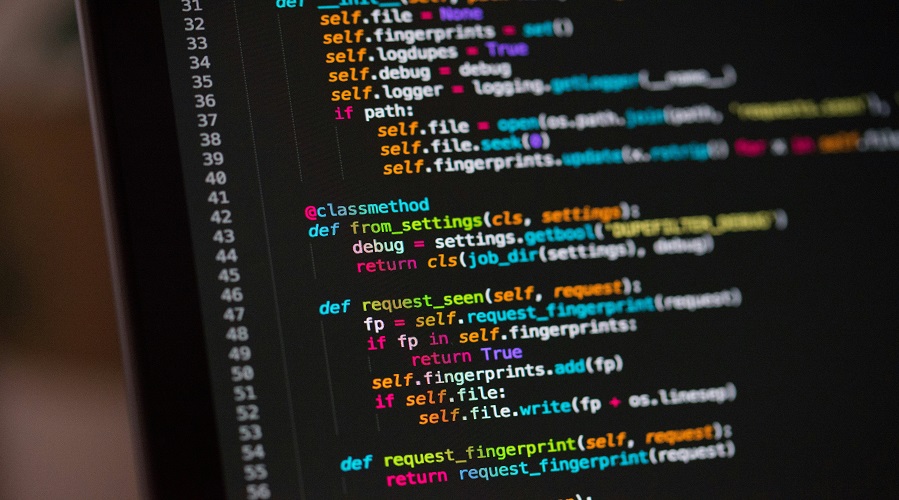
Programming is the foundation of modern technology. From mobile applications and websites to artificial intelligence and space exploration, everything is powered by programming.
The Introduction to Programming helps beginners understand how humans communicate instructions to computers to solve problems efficiently.
In simple terms, programming is the process of writing instructions that a computer can understand and execute. These instructions are written using programming languages, which act as a bridge between humans and machines.
Programming is not only for software engineers. Today, students, teachers, researchers, entrepreneurs, and professionals from every field benefit from learning programming.
What is Programming?
Programming is the process of designing, writing, testing, and maintaining a set of instructions called a program, which tells a computer what to do.
Definition of Programming
Programming is the art and science of creating instructions that enable computers to perform specific tasks and solve problems automatically.
Key Points
- Programming gives logic and intelligence to machines
- It transforms ideas into working digital solutions
- It enables automation, efficiency, and accuracy
Why Programming is Important
Programming plays a crucial role in everyday life and professional environments.
Importance of Programming
- Development of software and applications
- Automation of repetitive tasks
- Data processing and analysis
- Artificial intelligence and machine learning
- Scientific research and simulations
- Business and financial systems
- Cybersecurity and networking
Without programming, modern digital systems would not exist.
History of Programming
Understanding the history of programming helps learners appreciate its evolution.
Early Programming
- The first programs were written in machine language
- Instructions were given using binary codes (0s and 1s)
Development Over Time
- Machine Language
- Assembly Language
- High-Level Programming Languages
- Object-Oriented Programming
- Modern and AI-based Programming
Programming has evolved to become more human-friendly and powerful over time.
What is a Program?
A program is a collection of instructions written in a programming language to perform a specific task.
Examples of Programs
- Calculator software
- Web browsers
- Mobile applications
- Operating systems
- Games
- Banking software
Programs convert user input into meaningful output.
Programming Languages
A programming language is a formal language used to write programs.
Characteristics of Programming Languages
- Syntax (rules of writing code)
- Semantics (meaning of instructions)
- Readability
- Efficiency
- Portability
Types of Programming Languages
Programming languages can be classified into different categories.
1 Low-Level Programming Languages
- Machine Language
- Assembly Language
Features
- Faster execution
- Hardware dependent
- Difficult to learn
2 High-Level Programming Languages
- Python
- C
- C++
- Java
- JavaScript
- PHP
- C#
Features
- Easy to learn and understand
- Platform independent
- Human-readable syntax
3 Procedural Programming Languages
- C
- Pascal
- Fortran
Focus on procedures and functions.
4 Object-Oriented Programming Languages
- Java
- C++
- Python
- C#
Focus on objects and classes.
5 Scripting Languages
- JavaScript
- Python
- Ruby
- Perl
Used for automation and web development.
Basic Programming Concepts
Understanding basic concepts is essential in the introduction to programming.
1 Variables
Variables store data values.
Example:
- Integer
- Float
- String
- Boolean
2 Constants
Constants are fixed values that do not change during program execution.
3 Data Types
Data types define the type of data.
Common data types:
- int
- float
- double
- char
- string
- boolean
4 Operators
Operators perform operations on variables.
Types:
- Arithmetic
- Relational
- Logical
- Assignment
5 Input and Output
- Input: Data provided by the user
- Output: Result displayed by the program
Control Structures in Programming
Control structures determine the flow of program execution.
1 Conditional Statements
- if
- if-else
- switch
Used for decision-making.
2 Looping Statements
- for loop
- while loop
- do-while loop
Used for repetitive tasks.
Functions and Modules
Functions
Functions are reusable blocks of code.
Benefits
- Code reusability
- Easy debugging
- Better readability
Modules
Modules are collections of related functions.
They help in organizing large programs.
Algorithms in Programming
An algorithm is a step-by-step procedure to solve a problem.
Characteristics of a Good Algorithm
- Clear
- Finite
- Efficient
- Correct
Algorithms are the heart of programming.
Flowcharts in Programming
A flowchart is a graphical representation of an algorithm.
Advantages of Flowcharts
- Easy to understand logic
- Helps in planning programs
- Improves debugging
Flowcharts are widely used in beginner programming education.
Programming Paradigms
A programming paradigm is a style of programming.
Major Programming Paradigms
- Procedural Programming
- Object-Oriented Programming
- Functional Programming
- Logical Programming
- Event-Driven Programming
Each paradigm solves problems in a different way.
Software Development Life Cycle (SDLC)
Programming is a part of the software development process.
Stages of SDLC
- Requirement Analysis
- Design
- Coding
- Testing
- Deployment
- Maintenance
Programming mainly occurs in the coding phase.
Debugging and Testing
Debugging
Finding and fixing errors in programs.
Testing
Checking whether the program works correctly.
Types of errors:
- Syntax errors
- Logical errors
- Runtime errors
Tools Used in Programming
Programming Tools
- Code Editors
- Compilers
- Interpreters
- Debuggers
- IDEs
Examples:
- Visual Studio Code
- Eclipse
- PyCharm
- NetBeans
Introduction to Coding
Coding is the act of writing programs using a programming language.
Programming includes:
- Problem solving
- Algorithm design
- Coding
- Testing
Coding is only one part of programming.
Programming for Beginners
Best Programming Languages for Beginners
- Python
- C
- JavaScript
Tips for Beginners
- Start with the basics
- Practice daily
- Write simple programs
- Understand logic
- Avoid memorizing code
Applications of Programming
Programming is used in almost every field.
Major Applications
- Web development
- Mobile app development
- Game development
- Data science
- Artificial intelligence
- Cybersecurity
- Internet of Things
- Cloud computing
Career Scope in Programming
Programming offers excellent career opportunities.
Career Options
- Software Developer
- Web Developer
- Mobile App Developer
- Data Analyst
- AI Engineer
- System Programmer
- Game Developer
- DevOps Engineer
Programming skills are highly demanded globally.
Advantages of Learning Programming
- Improves logical thinking
- Enhances problem-solving skills
- Increases job opportunities
- Encourages creativity
- Builds technical confidence
Challenges in Programming
- Learning syntax
- Debugging errors
- Logical thinking
- Keeping up with new technologies
With practice, these challenges can be overcome.
Future of Programming
The future of programming is bright and evolving.
Emerging trends:
- Artificial Intelligence
- Machine Learning
- Quantum Computing
- Low-code and No-code platforms
- Automation and Robotics
Programming will remain a core skill in the digital era.
Types of Programming Languages
Programming languages are the backbone of computer systems and software development. Every application, website, operating system, and digital service is built using one or more programming languages. Understanding the types of programming languages is essential for beginners, students, and professionals who want to build a strong foundation in computer science.
A programming language allows humans to communicate with computers by writing instructions in a form that the computer can understand and execute. Over time, programming languages have evolved from simple machine-level instructions to powerful, human-friendly languages that support complex software development.
What is a Programming Language?
A programming language is a formal language consisting of symbols, keywords, and rules used to write instructions for computers.
Definition
A programming language is a structured way of writing programs that instruct a computer to perform specific tasks.
Key Characteristics of Programming Languages
- Defined syntax and grammar
- Clear semantics
- Ability to handle data and logic
- Support for input and output
- Error handling mechanisms
Why Do We Need Different Types of Programming Languages?
Different programming languages are designed to solve different types of problems. No single language is perfect for all tasks.
Reasons for Multiple Programming Language Types
- Hardware-level control
- Ease of development
- Performance optimization
- Security requirements
- Platform compatibility
- Application-specific needs
Classification of Programming Languages
Programming languages can be classified in multiple ways based on:
- Level of abstraction
- Programming paradigm
- Execution method
- Purpose and usage
The most common and widely accepted classification is based on level and paradigm.
Low-Level Programming Languages
Low-level programming languages are close to machine hardware and provide minimal abstraction.
Characteristics of Low-Level Languages
- Direct interaction with hardware
- High execution speed
- Less readability
- Platform dependent
1 Machine Language
Machine language is the lowest-level programming language.
Features
- Written in binary (0s and 1s)
- Directly understood by the computer
- No translation required
Advantages
- Fastest execution
- No compiler or interpreter needed
Disadvantages
- Extremely difficult to write
- Error-prone
- Not human-readable
2 Assembly Language
Assembly language is a low-level language that uses mnemonic codes instead of binary.
Features
- Uses symbols like MOV, ADD, SUB
- Hardware dependent
- Requires an assembler
Advantages
- Faster than high-level languages
- Better control over hardware
Disadvantages
- Difficult to learn
- Platform dependent
- Time-consuming development
High-Level Programming Languages
High-level programming languages are designed to be user-friendly and easy to understand.
Characteristics
- English-like syntax
- Platform independent
- Easy debugging and maintenance
Examples of High-Level Languages
- C
- C++
- Java
- Python
- PHP
- JavaScript
- C#
Advantages
- Easy to learn
- Faster development
- Portable across platforms
Disadvantages
- Slower than low-level languages
- Less hardware control
Procedural Programming Languages
Procedural programming focuses on procedures or functions.
Key Concept
Programs are divided into small procedures that perform specific tasks.
Features
- Step-by-step execution
- Uses functions and procedures
- Structured programming approach
Examples
- C
- Pascal
- Fortran
- COBOL
Advantages
- Easy to understand logic
- Reusable functions
- Efficient for small to medium programs
Disadvantages
- Difficult to manage large programs
- Less data security
8. Object-Oriented Programming Languages (OOP)
Object-Oriented Programming is based on the concept of objects and classes.
Core Principles of OOP
- Encapsulation
- Inheritance
- Polymorphism
- Abstraction
Examples
- Java
- C++
- Python
- C#
- Ruby
Advantages
- Code reusability
- Better data security
- Easy maintenance
- Suitable for large applications
Disadvantages
- Steeper learning curve
- More memory usage
Functional Programming Languages
Functional programming focuses on functions and mathematical expressions.
Key Features
- No shared state
- Immutability
- Pure functions
Examples
- Haskell
- Lisp
- Scala
- Erlang
- F#
Advantages
- High reliability
- Easy debugging
- Better concurrency handling
Disadvantages
- Difficult for beginners
- Limited real-world usage compared to OOP
Scripting Programming Languages
Scripting languages are mainly used for automation and web development.
Characteristics
- Interpreted languages
- Faster execution of scripts
- No need for compilation
Examples
- JavaScript
- Python
- PHP
- Ruby
- Perl
Advantages
- Easy to learn
- Rapid development
- Widely used in web applications
Disadvantages
- Slower execution
- Security vulnerabilities, if not handled properly
Logic Programming Languages
Logic programming is based on formal logic.
Key Concept
Programs consist of facts and rules.
Examples
- Prolog
- Datalog
Advantages
- Useful for AI and expert systems
- Clear logical representation
Disadvantages
- Limited usage
- Hard to debug
Event-Driven Programming Languages
Event-driven programming responds to events like user actions.
Examples
- JavaScript
- Visual Basic
- C#
Applications
- GUI applications
- Web applications
- Mobile apps
Concurrent and Parallel Programming Languages
These languages handle multiple tasks simultaneously.
Examples
- Go
- Erlang
- Ada
Advantages
- Efficient resource utilization
- High performance
Disadvantages
- Complex logic
- Difficult debugging
Domain-Specific Programming Languages (DSL)
Domain-specific languages are designed for specific applications.
Examples
- SQL (Database)
- HTML (Web structure)
- CSS (Web design)
- MATLAB (Scientific computing)
Advantages
- Highly efficient for specific tasks
- Easy to learn within the domain
Disadvantages
- Limited general-purpose use
Markup and Query Languages
Although not traditional programming languages, they play an important role.
Examples
- HTML
- XML
- SQL
Used for:
- Web page structure
- Data representation
- Database management
Compiled vs Interpreted Languages
Compiled Languages
- C
- C++
- Java
Interpreted Languages
- Python
- JavaScript
- PHP
Modern Programming Languages
Modern languages focus on simplicity, speed, and security.
Examples
- Rust
- Kotlin
- Swift
- Go
Comparison of Programming Language Types
Low-Level vs High-Level
- Performance vs Ease of Use
Procedural vs Object-Oriented
- Logic-based vs Data-based
Scripting vs Compiled
- Speed vs Flexibility
Choosing the Right Programming Language
Factors to Consider
- Project requirements
- Performance needs
- Learning curve
- Community support
- Career goals
Applications of Programming Language Types
- Web Development
- Mobile App Development
- Game Development
- Artificial Intelligence
- Data Science
- Embedded Systems
- Cloud Computing
- Cybersecurity
Career Scope Based on Programming Languages
Different language types open different career paths.
Career Opportunities
- Software Developer
- Web Developer
- Mobile App Developer
- Data Scientist
- AI Engineer
- System Programmer
Advantages of Learning Multiple Programming Languages
- Better problem-solving skills
- Career flexibility
- Understanding system design
- Increased job opportunities
Challenges in Learning Programming Languages
- Syntax differences
- Logical complexity
- Keeping up with trends
- Debugging skills
Conclusion
The Introduction to Programming is the first step toward understanding how technology works. Programming empowers individuals to create solutions, innovate ideas, and shape the digital future.
Whether you are a student, professional, or beginner, learning programming opens the door to endless opportunities. With consistent practice and curiosity, anyone can master programming and build a successful career in the technology world.
Leave a Comment
Your email address will not be published. Required fields are marked *
Related Post
Git & GitHub Version Control Tutorial for Beginners
Learn Git & GitHub Version Control with this complete beginner-to-advanced guide. Understand Git commands, repositories, branching, merging,
CI/CD Pipelines Complete Guide – Continuous Integration
Learn everything about CI/CD Pipelines in this complete guide. Understand Continuous Integration, Continuous Deployment.
DevOps: Ultimate Guide to DevOps Practices, Tools
Explore the complete DevOps guide for 2026. Learn DevOps practices, tools, benefits, CI/CD pipelines, automation, culture, and more.
What is Cloud Platforms? Types, Benefits
Learn everything about Cloud Platforms. Understand cloud computing platforms, types, benefits, services, use cases, security, and future trends.
Encryption: Types, Algorithms, Security and Data Encryption
Learn everything about Encryption in this complete guide. Understand what encryption is, types of encryption, algorithms, advantages, data security.
Ethical Hacking: Complete Guide, Tools, Techniques
Learn Ethical Hacking in this complete guide. Understand ethical hackers, types, tools, techniques, and cybersecurity best practices.
Network Security and Firewalls – Types, Architecture
Learn Network Security & Firewalls in detail. This complete guide covers concepts, types of firewalls, architecture, security threats, and more.
Network Routing and Switching – Types, Protocols & Working
Learn everything about Network Routing and Switching. Understand concepts, types, protocols, devices, differences, advantages, and more.
IP Addressing - IPv4, IPv6, Working, Types, Structure, Security
Internet Protocol (IP) is the foundation of the internet. Learn everything about IP, including IPv4, IPv6, IP addressing, packet delivery, and more.
Transmission Control Protocol (TCP) - Working, Features, Use
Learn everything about Transmission Control Protocol (TCP) in this complete SEO-friendly guide. Understand TCP definition, and more.